

Expert Insights
When we think about melanocytes, our minds almost instantly jump to skin cancer, specifically melanoma. As one of the most lethal forms of cancer, it is completely natural for dermatology clinicians and patients alike to equate the two. However, focusing solely on the danger ignores the vital, protective role these cells play every single day.
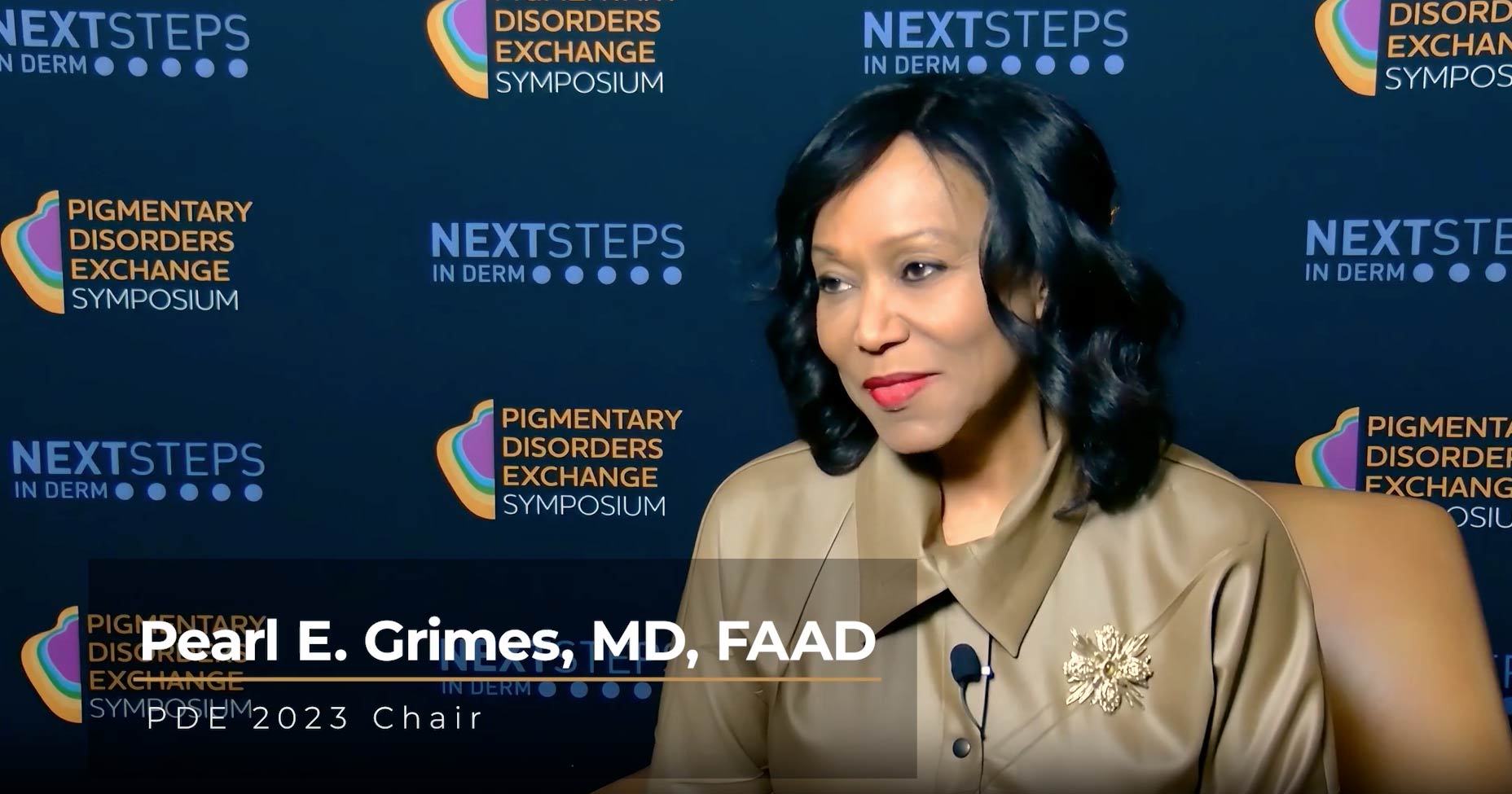
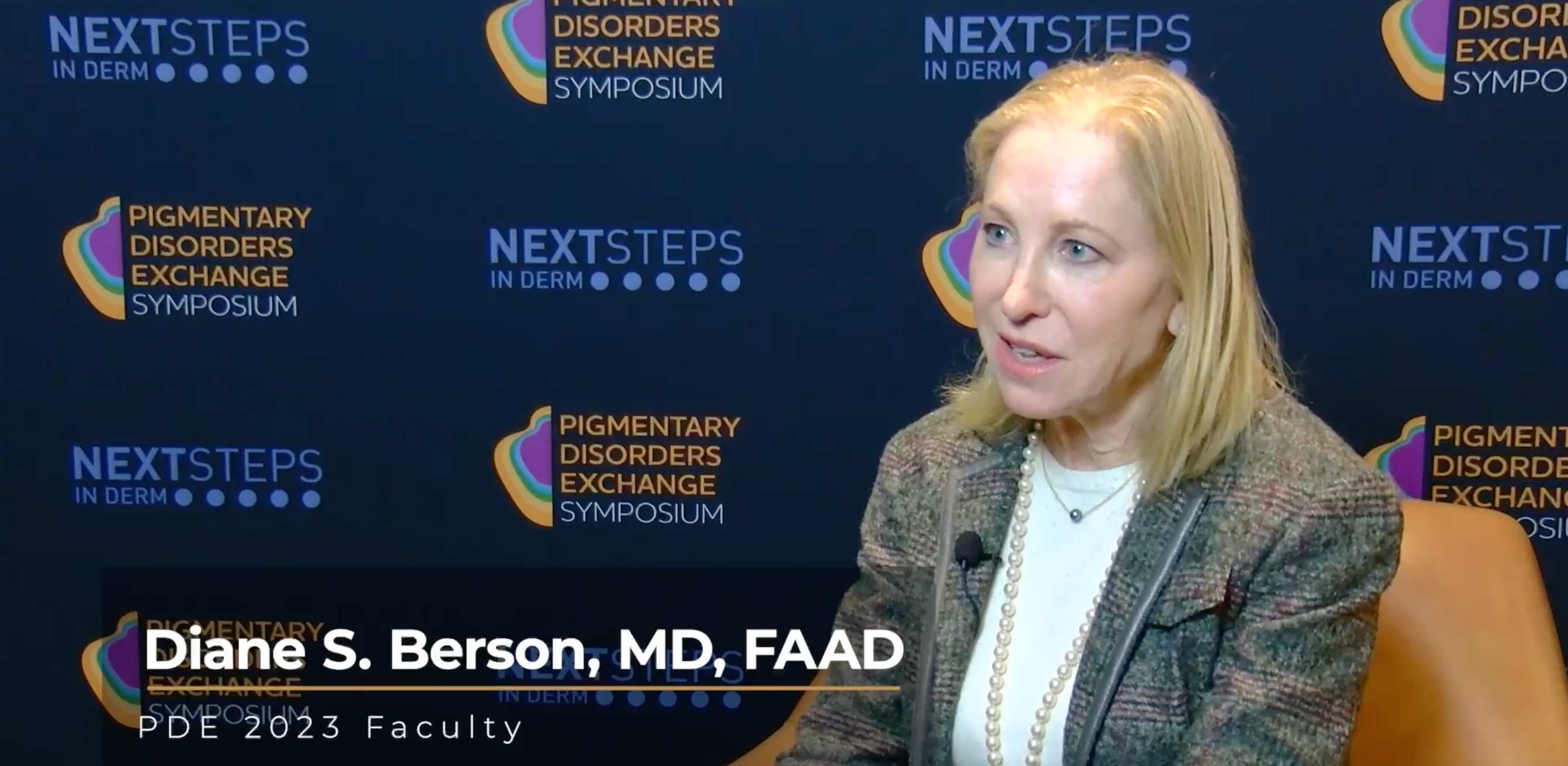
Next Steps in Derm, in conjunction with the Pigmentary Disorders Exchange Symposium, interviewed Hensin Tsao, MD, PhD, FAAD, professor of dermatology at Harvard Medical School and director of the Melanoma and Pigmented Lesion Center, the Melanoma Genetics Program, and the Skin Cancer Genetics Laboratory in the Wellman Center for Photomedicine at Massachusetts General Hospital. Dr. Tsao explains how melanocytes act as a shield against ultraviolet light and how damage accumulates over time. He specifies the intrinsic and extrinsic factors that drive skin cancer risk and emphasizes the power of prevention.
Every recommendation from clinical professionals—from wearing sunscreen to seeking shade—is aimed at minimizing sun damage and reducing the cumulative mutagenic process. Protecting the skin today blocks the step-by-step genetic damage that can lead to future cancer.